
In the highlands of Sri lanka lives the Malaiyaha Tamil community, a group that plays a crucial role in the country’s economy. Despite their significant contributions, especially in the well-known tea industry, they continue to face structural exclusion and remain one of the most socially and economically vulnerable groups in Sri Lanka.
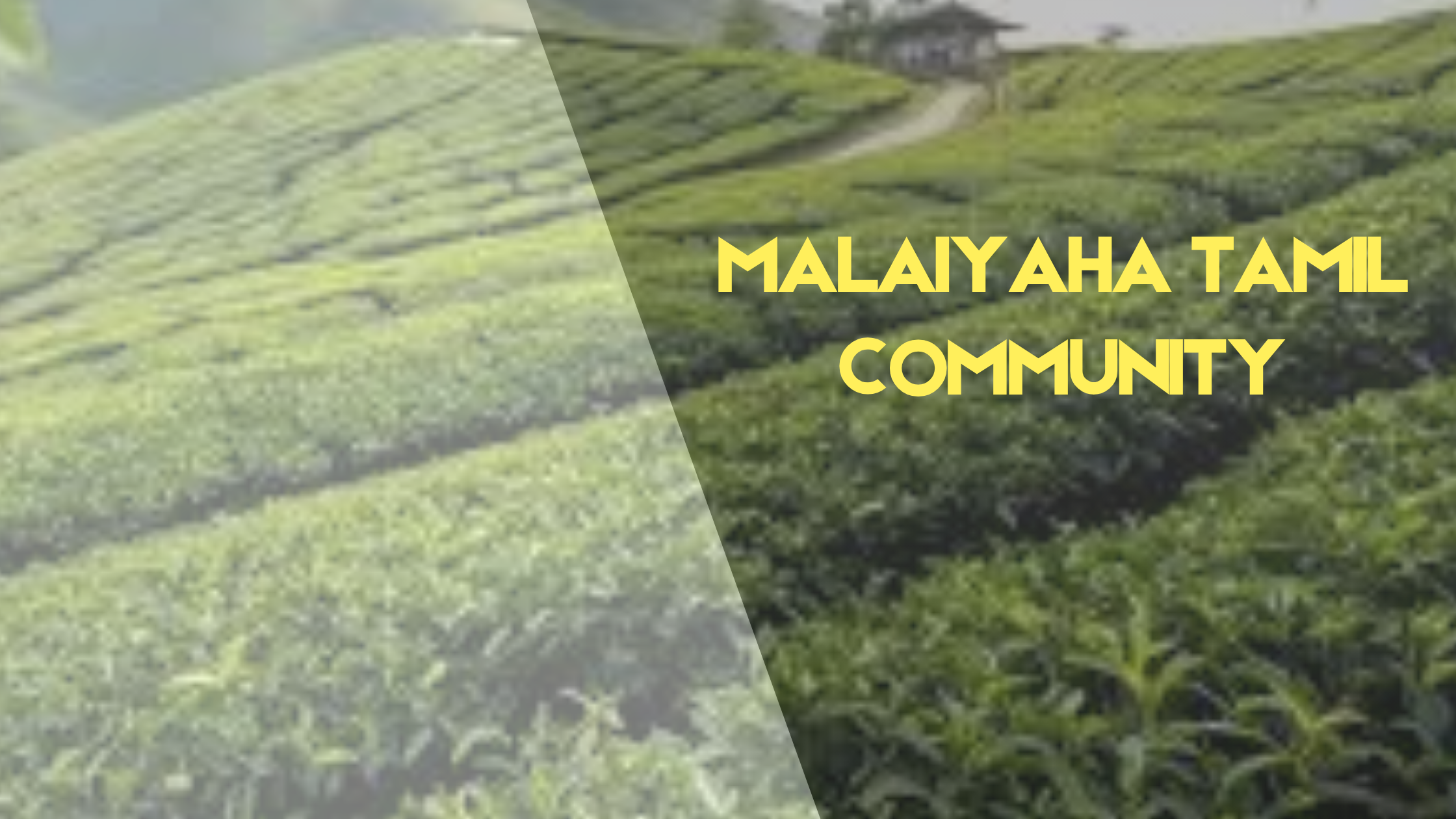
The Malaiyaha Tamils are descendants of workers brought from south India by British colonists in the 19th century. They were employed on tea, rubber and coffee plantations, often under harsh conditions. During the colonial period, the British implemented laws known as the Ceylon Acts, which determined who had political rights and access to government positions. These laws particularly marginalized the Malaiyaha Tamils.
When Sri Lanka gained independence in 1948, the new nation inherited this unequal distribution of political power. As a result, many Tamils, especially the Hill Country Tamils, had little political influence, while the Sinhalese majority took the lead, laying the foundation for later ethnic tensions in the country.
Even today, the Malaiyaha Tamil community faces major challenges. Many still lack land or secure housing, leaving the, vulnerable to poverty and natural disasters. Access to quality education, stable employment, and basic healthcare services is limited, keeping their social and economic position behind other groups in Sri Lanka.
HNRDF work to support the Malaiyaha Tamils. HNRDF raises awareness of their rights, and highlights social inequalities. Although progress has been made, there remains a clear need for policies and initiatives that structurally support the Malaiyaha Tamils, ensuring they receive equal opportunities and dignity within Sri Lankan society.
by Iris van der Stelt